
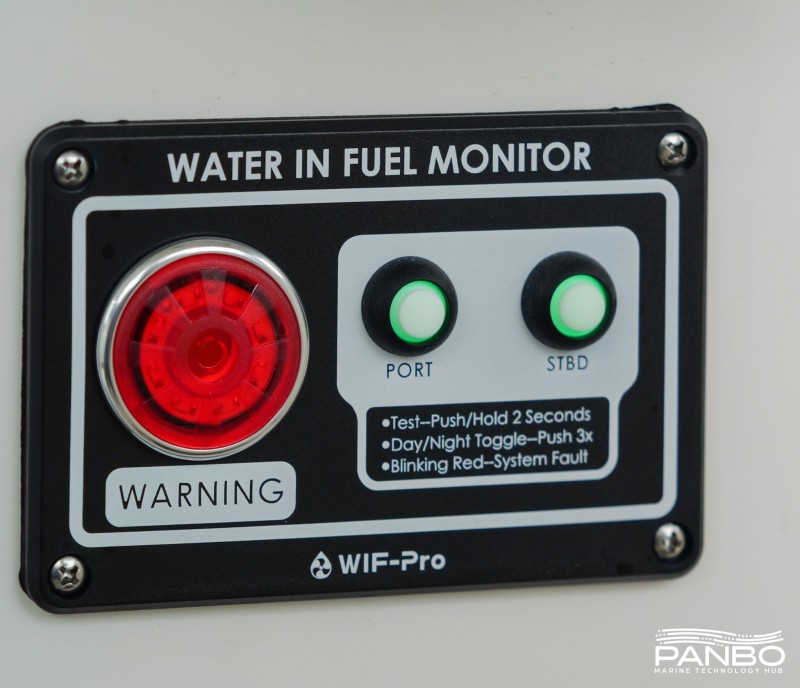
WIF-Pro’s water in fuel monitors, keeping a watch on your fuel
Written by Ben Stein · Published June 9, 2025 - Panbo Marine Technology Lab - www.panbo.com
WIF-Pro is my favorite kind of company to cover, a relatively new startup with a fresh take on an old problem. I first learned about and met WIF-Pro’s founder, Brian Benedict, at IBEX 2023. Brian, a mortgage banker by day and water in fuel alerter by night, founded WIF-Pro because of his own experience with water in his outboard engine’s fuel filters. Many, fuel filtration systems make it difficult or impossible to know when the filter is full of fuel and when it’s full of water. Even filters that employ a clear bowl are generally mounted in a location that makes checking them regularly difficult. So, more often than not, we first become aware of a watery problem when our engines either sputter or die altogether. WIF-Pro looks to change that with proactive monitoring of water in your boat’s fuel system.
First, in case it’s not obvious, WIF is an acronym for water in fuel. Since meeting Brian and his brother Todd I have come to appreciate a few things about them. First, for a couple of mortgage bankers, their engineering discipline is impressive. The thought put into the product shows through loud and clear. Second, although they take monitoring for water in fuel seriously, they don’t take themselves too seriously. As proof, I offer the parent company name, OhNoH2O, and their slogan, “Don’t be a fool, monitor your fuel.”
System options
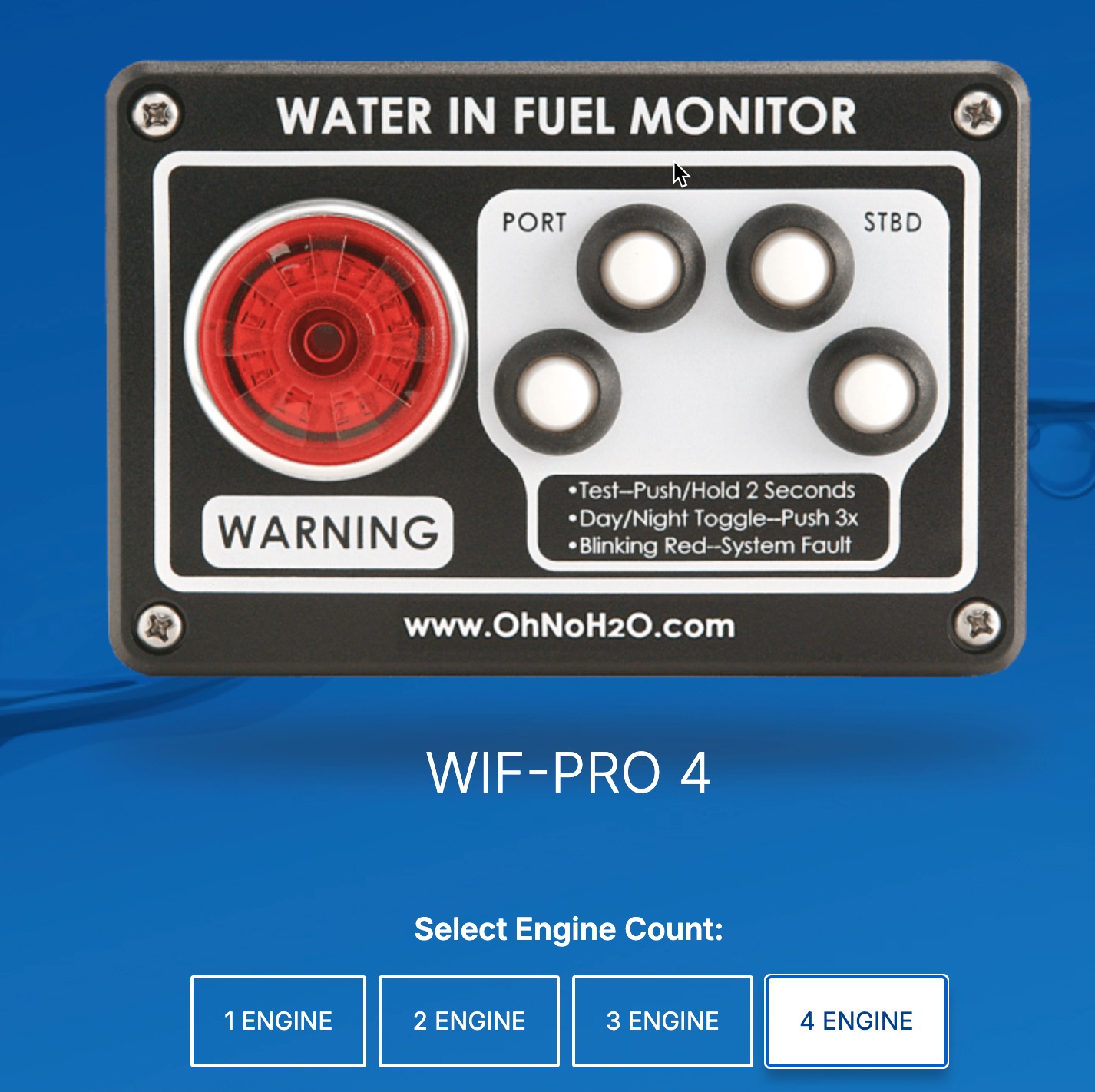
WIFPro’s launch product provides water in fuel monitoring for the the most common filters used with gasoline outboard engines. This includes filter holders made by Mercury, Yamaha, and Racor. For boats, like mine, that still have the original all metal filters, a Racor filter and clear bowl is needed. The Racor S3213 filter screwed right onto the Yamaha filter holders. WIFPro offers control panel options for one to four engine configurations. A one engine system, with a NMEA 2000 control panel, sells for $700 on their website and each engine adds $300. So, systems range from $700 for a single engine to $1600 for quads
Although it isn’t on their website yet, WIF-Pro now offers a system compatible with Racor’s 500, 900, and 1,000 series diesel turbine filters. These systems Start at $800 for a single engine and increase by $400 per engine.
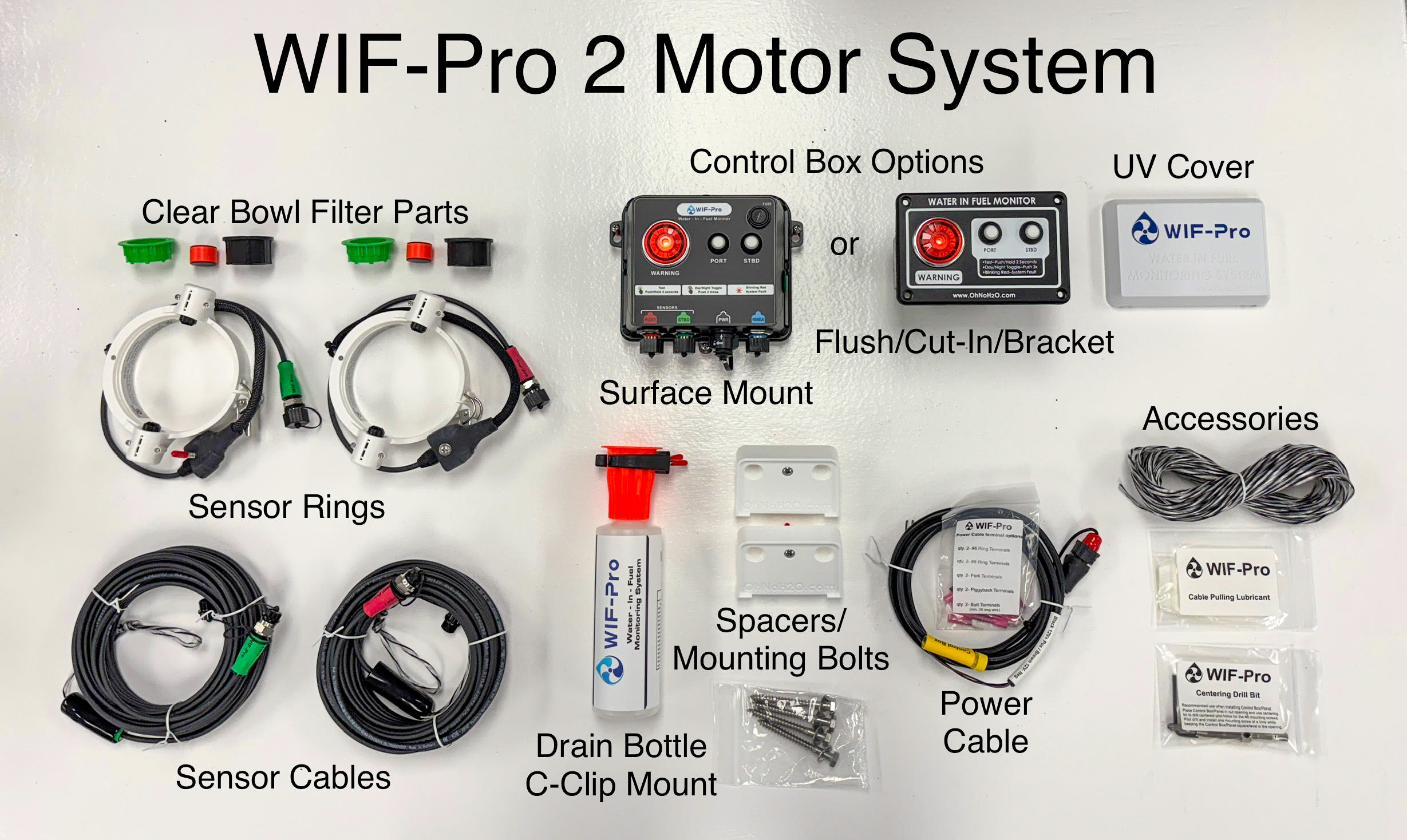
The systems consist of a control panel, sensor ring(s), filter parts, drain bottle, and installation supplies and tools. The filter parts include a green float ring, a red indicator ring and a black spacer to hold everything in the proper place. Control box options provide for both flush mount, like I have on Panboat, and surface mount.
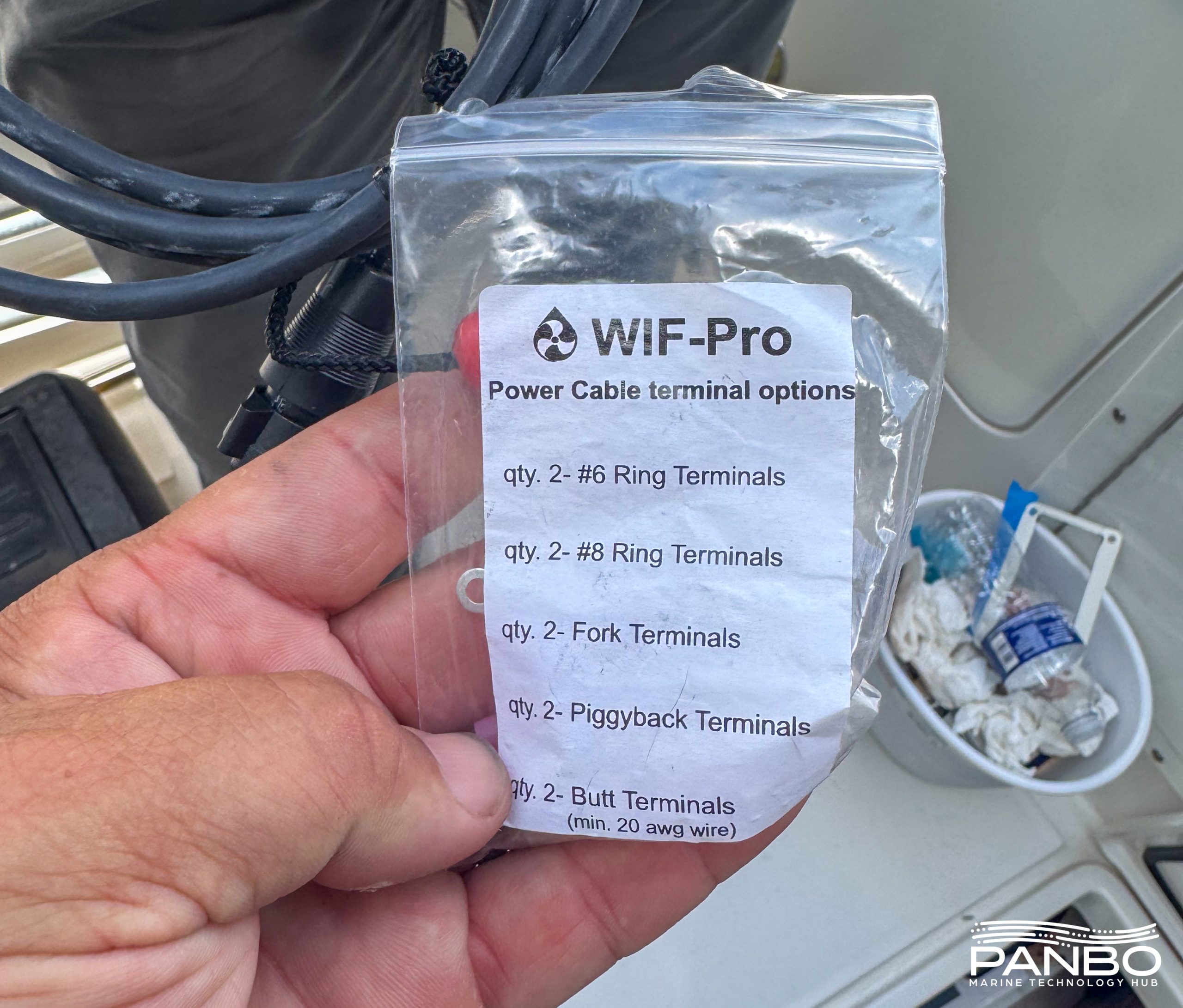
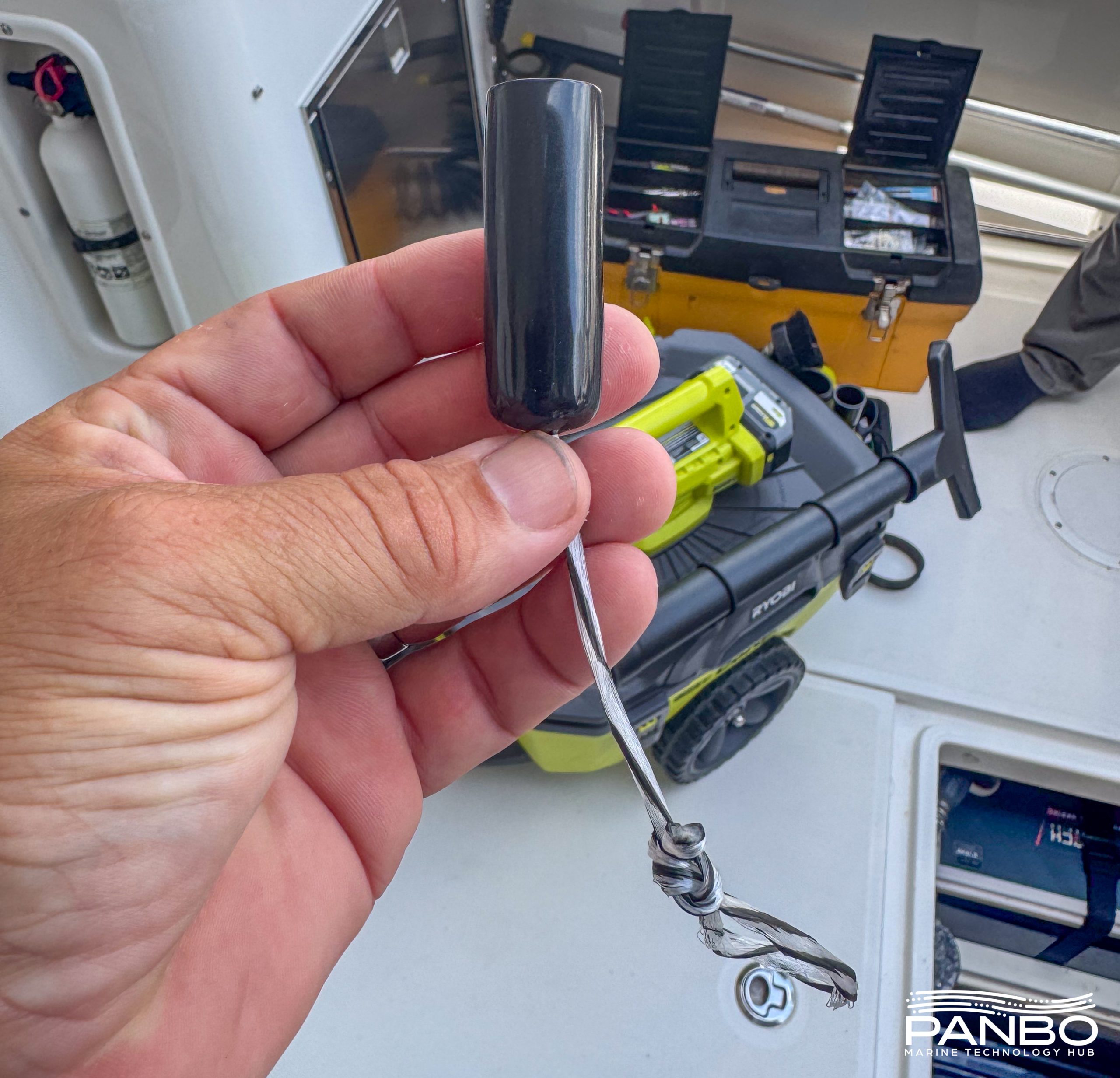
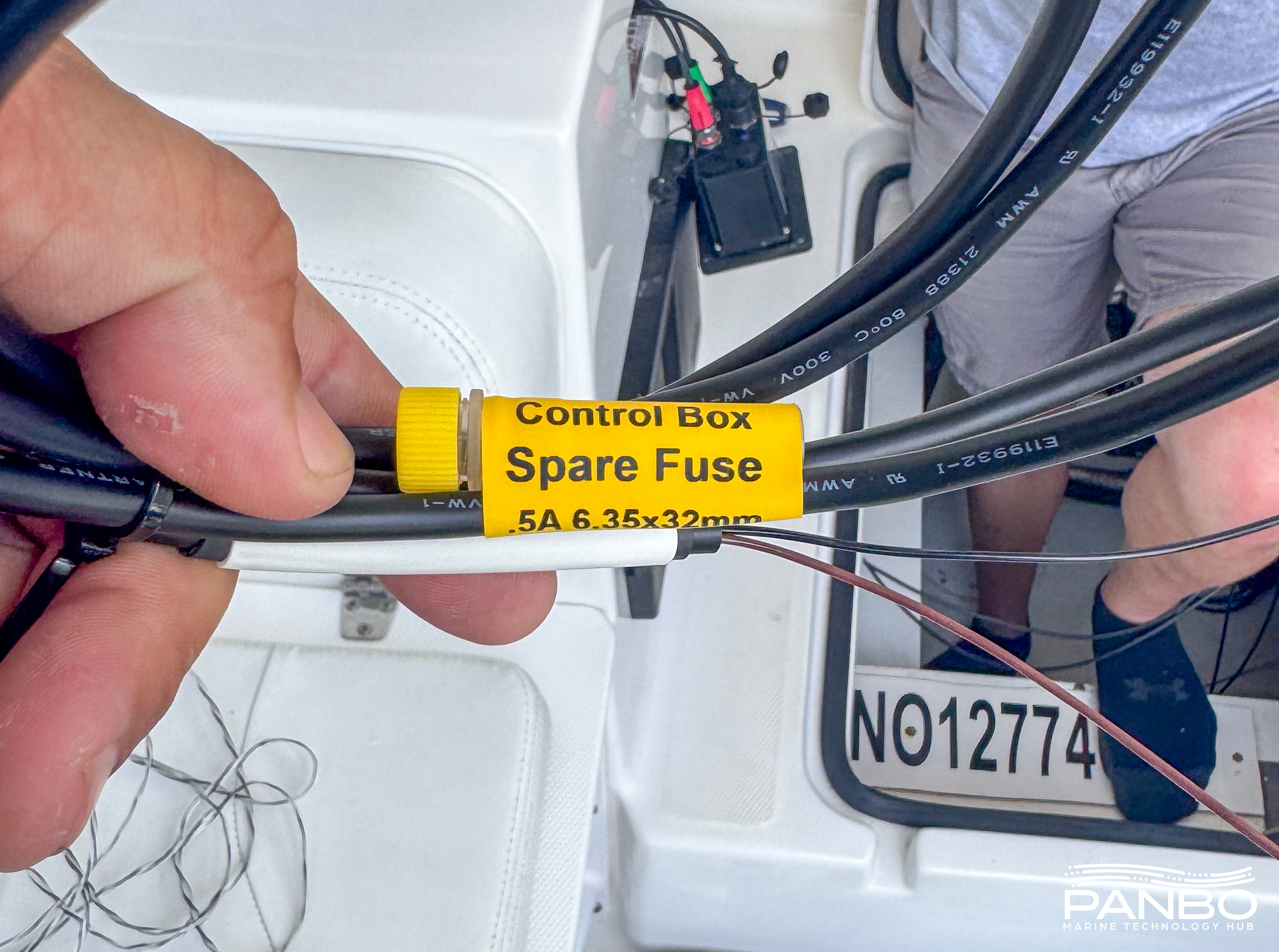
WIFPro includes among the most complete set of supplies and tools to complete the installation of their product. Not only do they include all the connectors you might need, but they also include useful tools like the cable puller above and a self centering drill bit and diamond grit jigsaw blade. The spare fuse secured to the power cable with heat shrink ensures you not only have a spare fuse, but can find it if you need it.
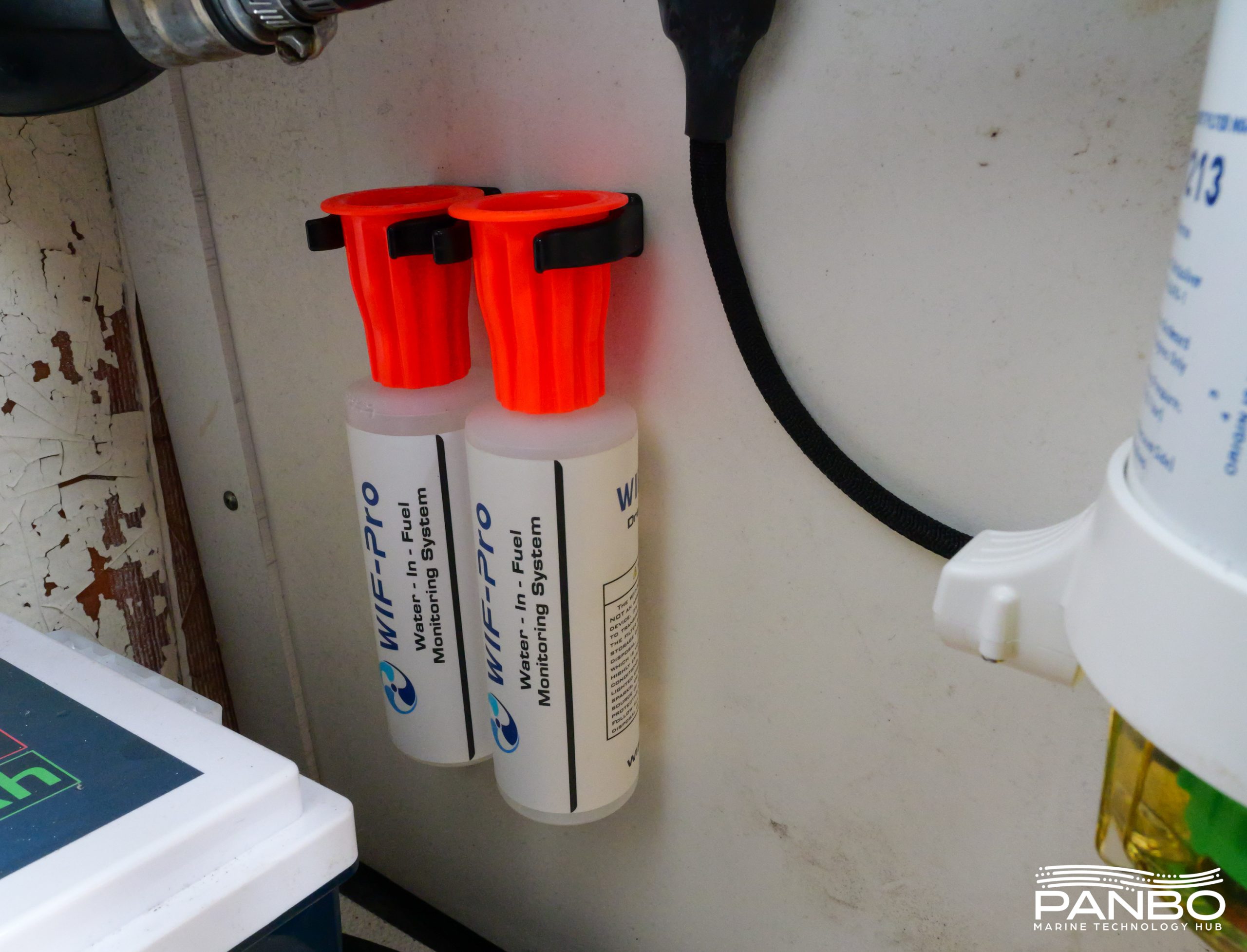
True to their style, WIF-Pro has taken a hard look at the task of draining watery fuel. The Racor clear bowls have a drain fitting that allows you to drain accumulated water. However, if you’ve ever used it, you are probably familiar with the mess they typically make. WIF-Pro solves that challenge by providing a drain bottle with a funnel that mates to the drain. The funnel slips over the drain and provides an easy grip to open it and capture watery fuel. WIF-Pro plans to sell the bottles by themselves due to strong demand.
Installation and operation
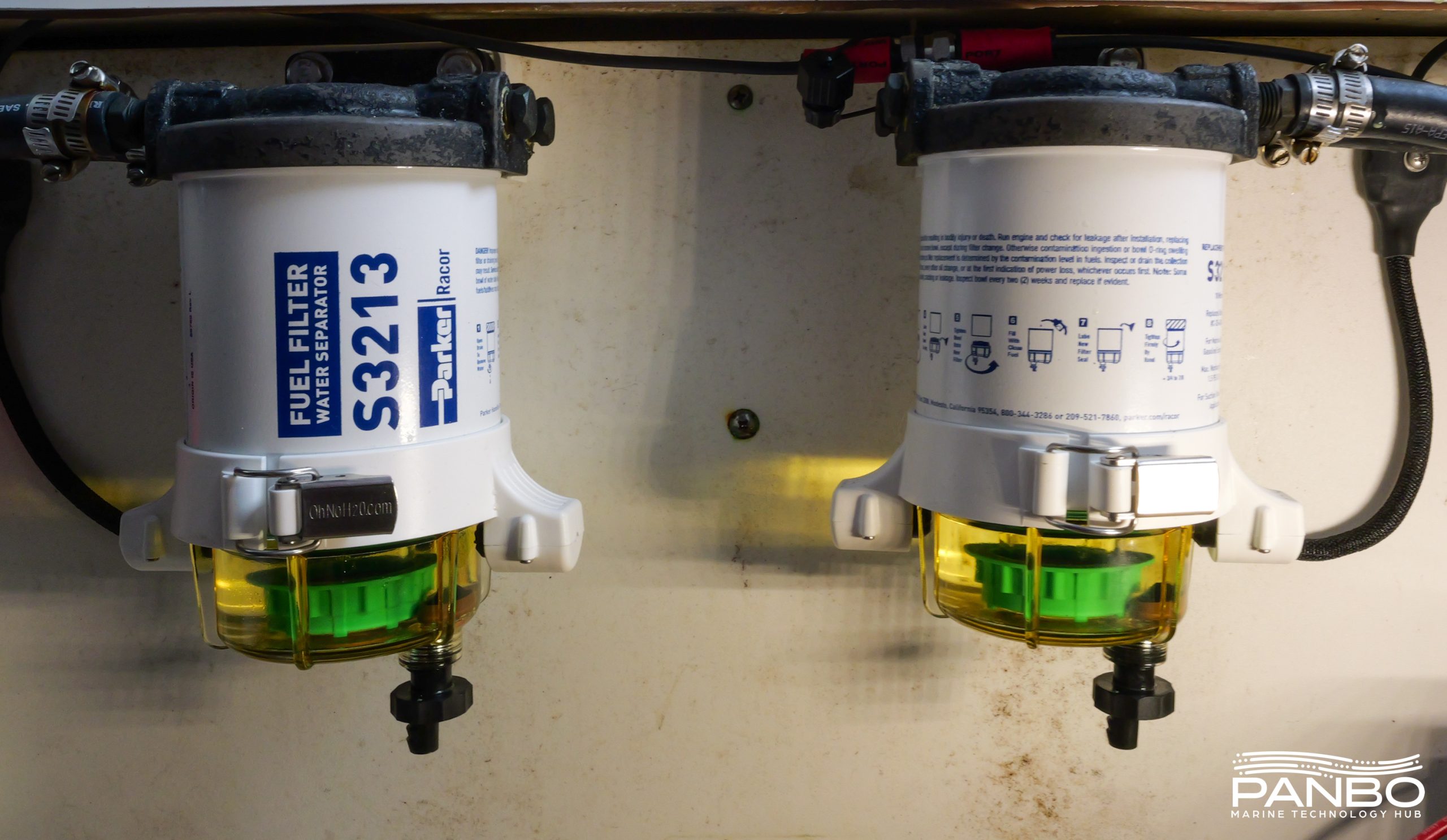
Panboat is equipped with WIF-Pro’s twin engine system for outboard gasoline powered boats. The system uses Racor filters with clear bowls at the bottom. Typically, these bowls allow the operator to see if water, which is heavier than gasoline, has accumulated in the bowl. WIFPro adds a plastic ring to the bowl. The density of the ring means that it floats in water but sinks in gasoline. As a result, if the bowl is full of gas, the ring sits on the bottom of the bowl — as both rings are doing in the photo above. If however, the bowl fills with water, a denser liquid, the ring will float to the top of the bowl.
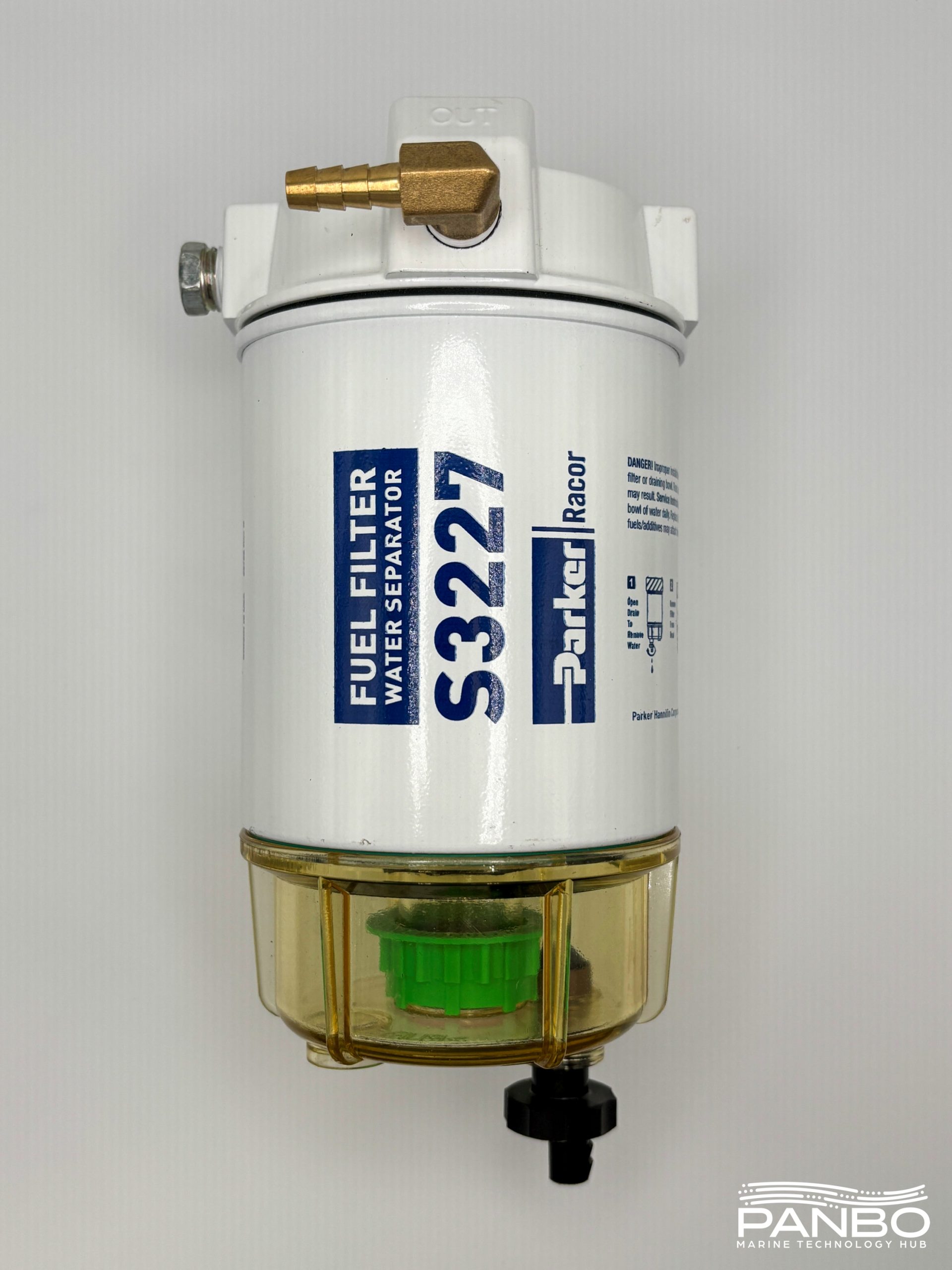
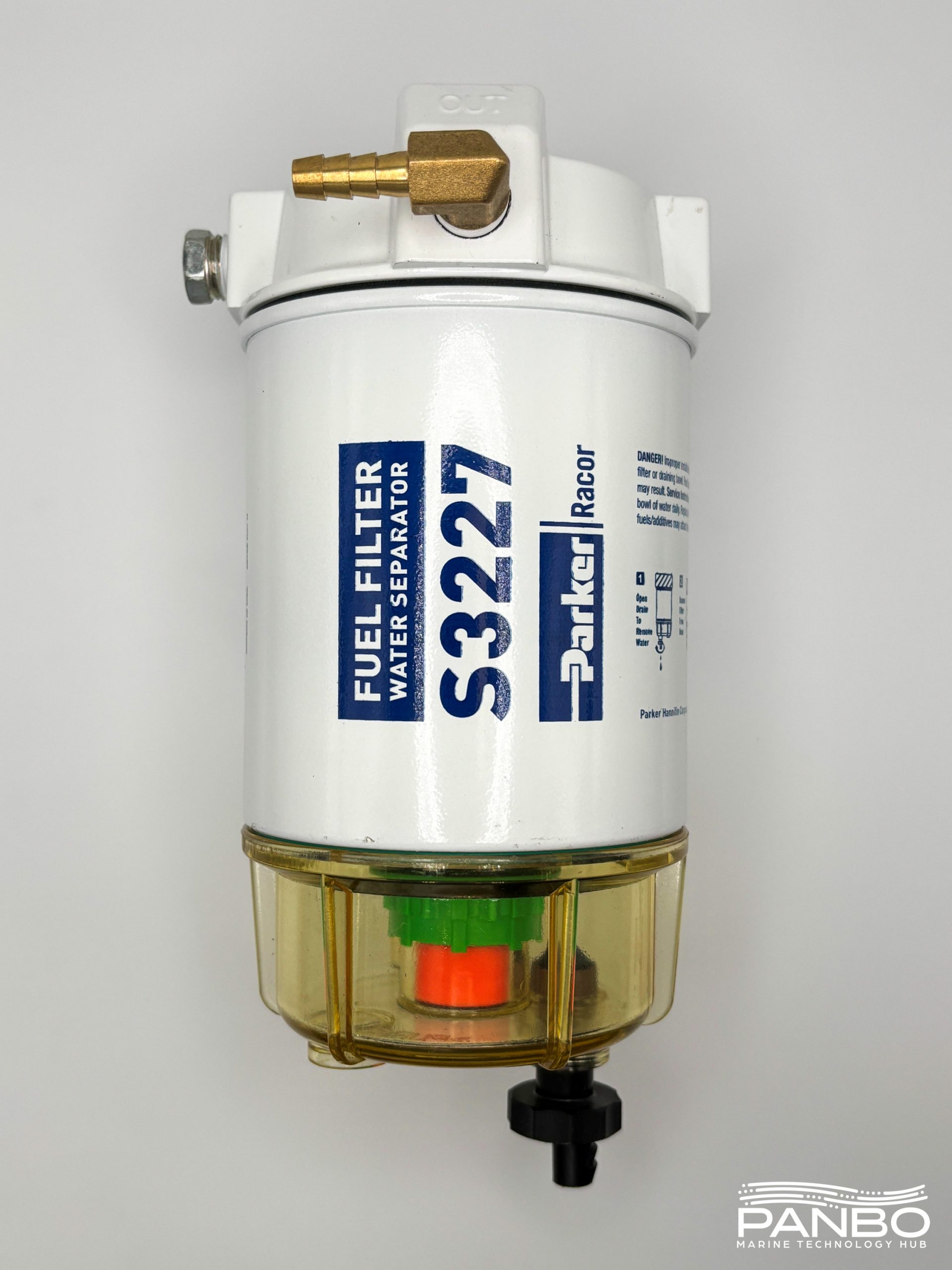
When the green ring floats to the top, it reveals an orange ring that is also added to the bowl. The orange ring provides a clear visual indicator of trouble with the fuel. For some, the combination of this simple indicator and a drain bottle may be all that’s needed.
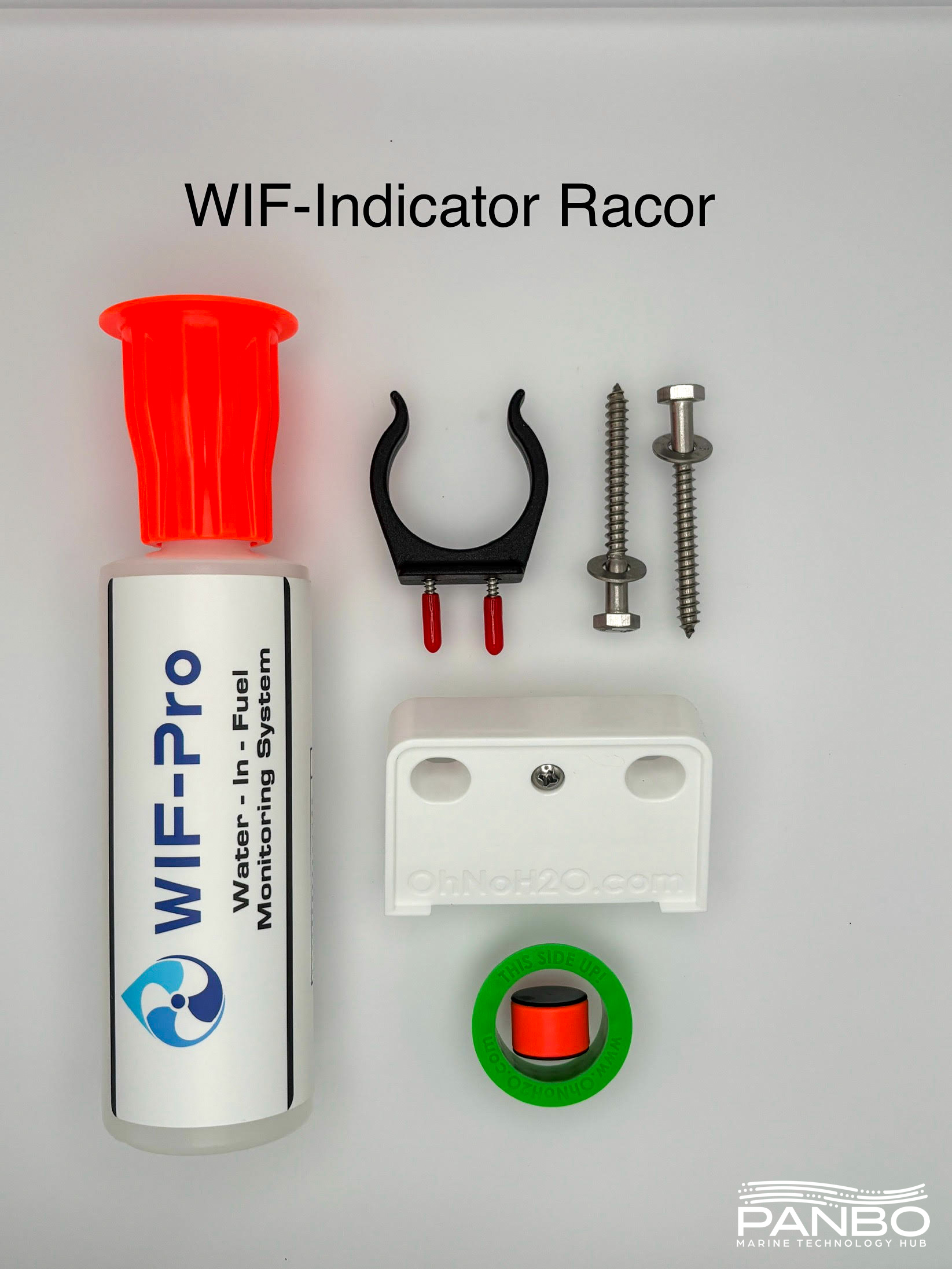
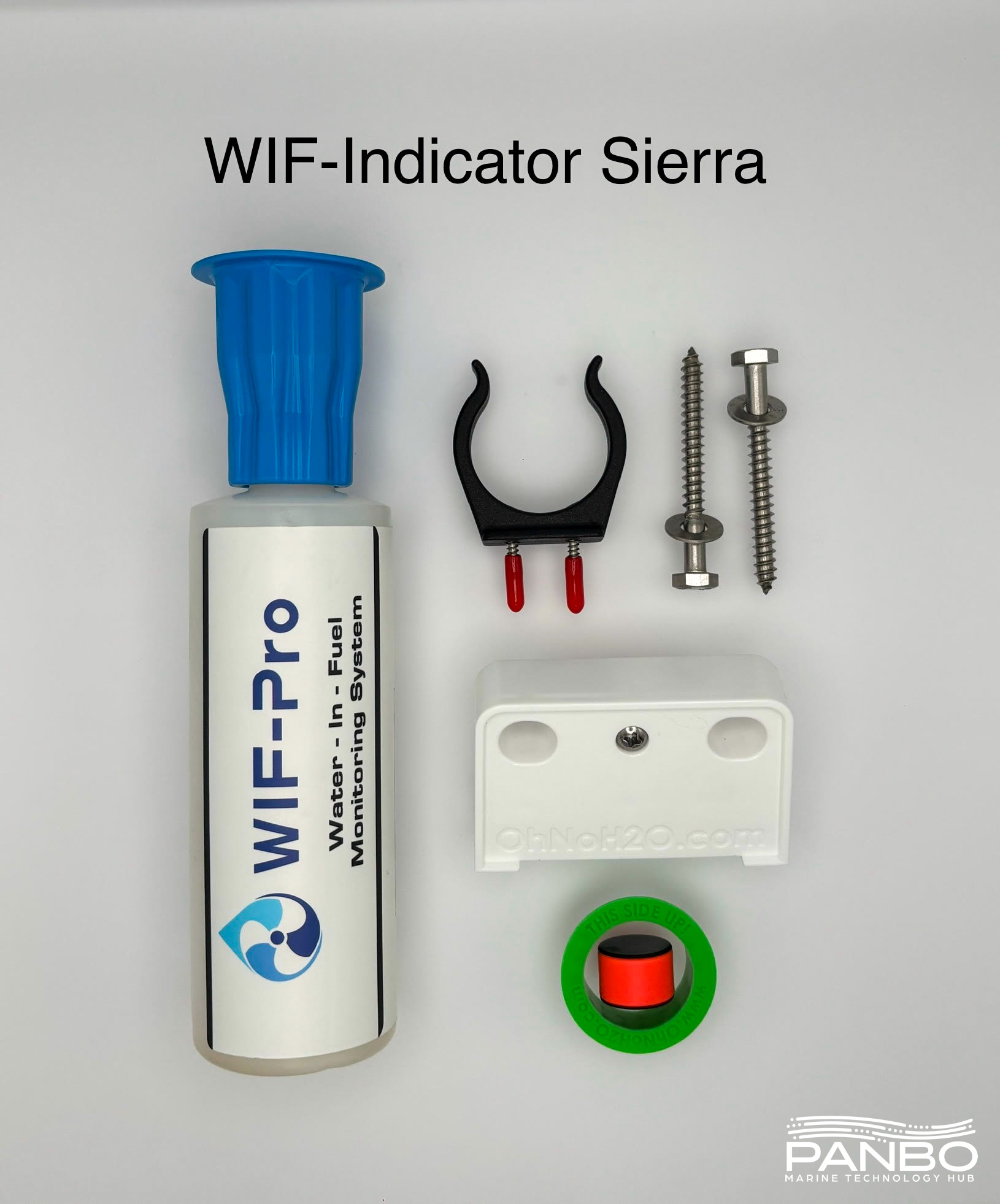
Fortunately, WIF-Pro plans to offer an affordable kit for either Racor or Sierra clear bowl filters. The kits include the orange indicator, float ring, drain bottle, hardware, and aspacer to move the filters out a little to facilitate getting the drain bottle in place. Final pricing hasn’t been announced but it sounds like they will be quite affordable and available at retail.
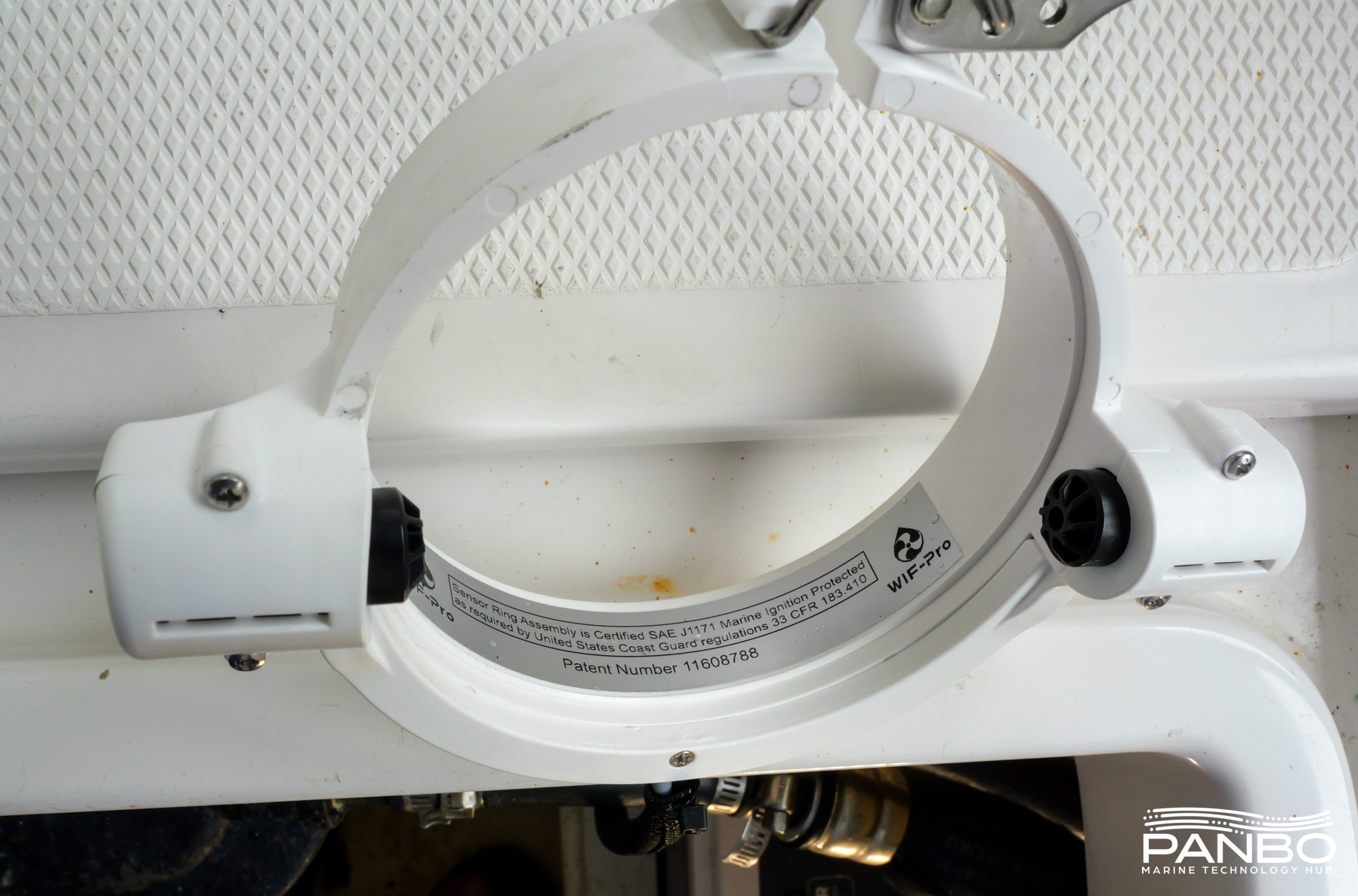
If the green float visible in the bowls floats up, it will interrupt an infrared light source fired from one side of the sensor ring to the other. In turn, that causes an alarm to sound at the control panel.
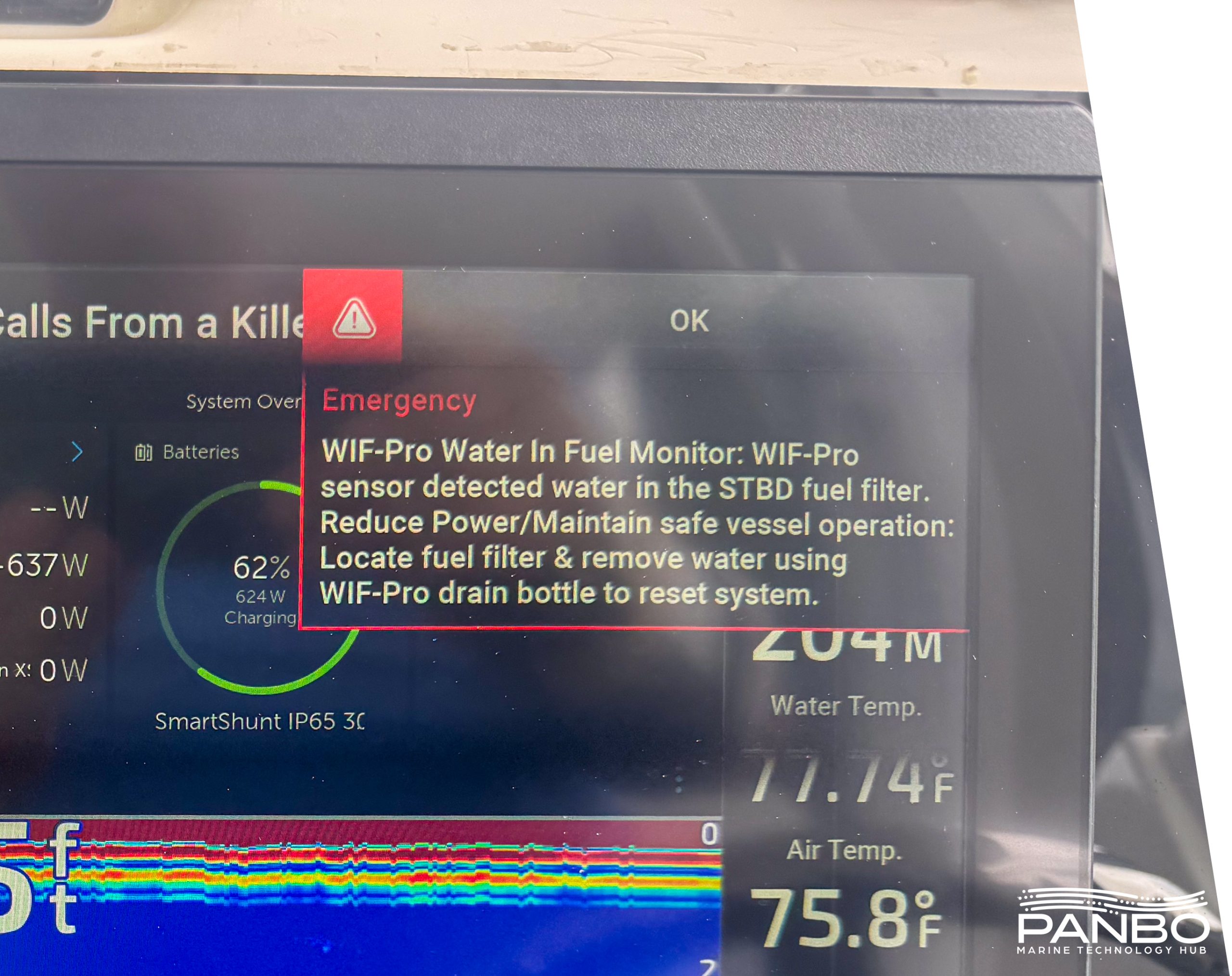
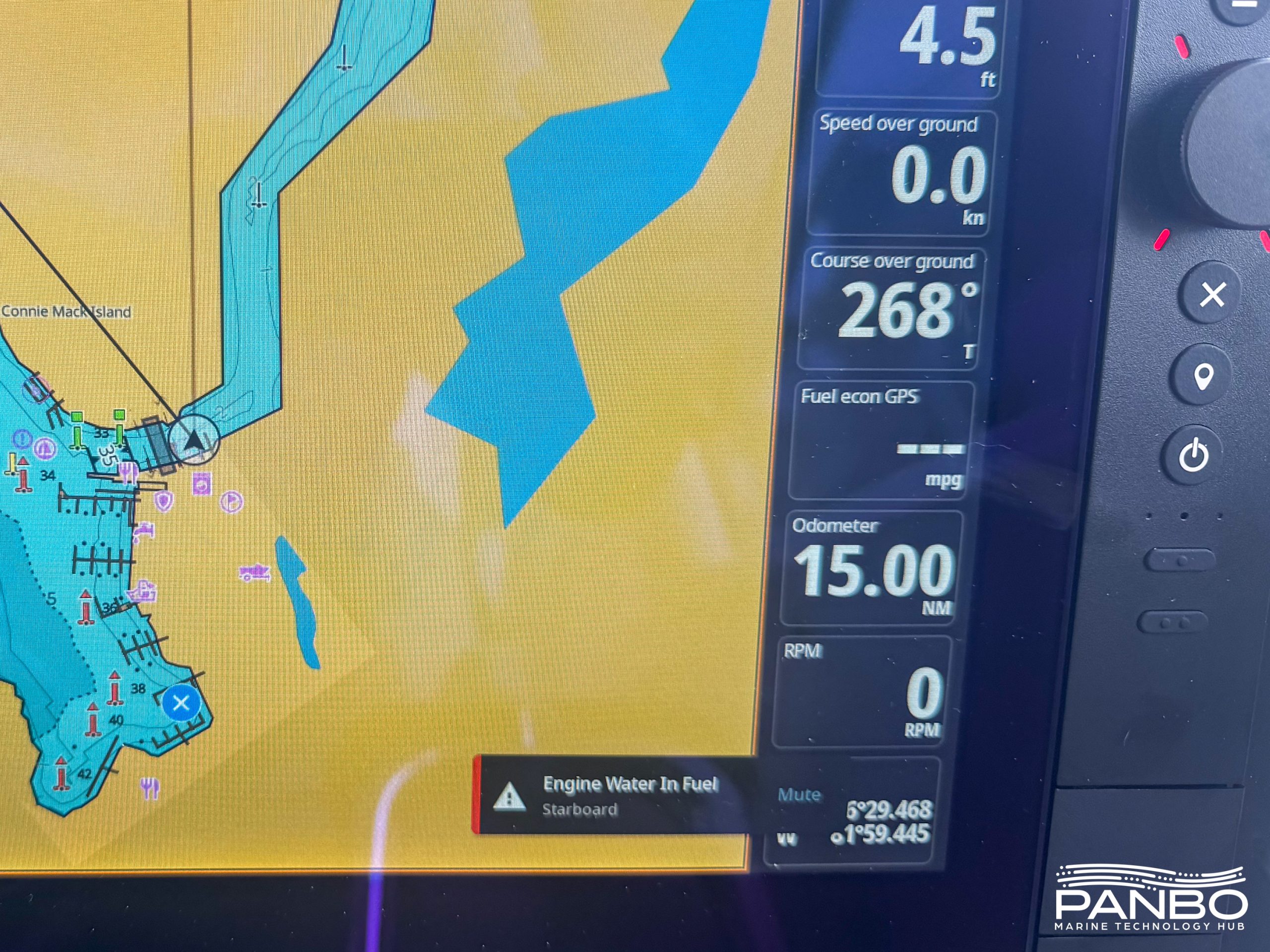
The 95 decibel alarm is hard to miss, but it is helpfully backed up by alarms and text raised on connected NMEA 2000 devices. Loud alarms at the helm grab your attention but often with little clarity about the cause of the alarm. The accompanying alert displayed on a chart plotter means the operator quickly knows the source of the alarm. Combined with the drain bottle, the early warning WIF-Pro provides means the operator can drain the filter and hopefully make it back to shore safely.
Sensors like WIF-Pro’s tend to live on our boats for months or years without making a peep. That can leave you wondering if they’re working. WIF-Pro chirps a two beep sequence at startup to indicate everything powered on and tested correctly. Additionally, each sensor performs a self test every five seconds. If a sensor fails, the siren beeps a unique sequence and the WIF-Pro unit communicates the failure via NMEA 2000.
Final thoughts
Fortunately, I have not had occasion to test WIF-Pro’s functionality on the water. But, I’m equally pleased to have peace of mind knowing that if I do end up with water-logged fuel, I’ll know about it as soon as possible. As I mentioned, WIF-Pro takes monitoring fuel seriously. They’ve done a nice job looking at all aspects of the problem and designing a simple solution to address the problem without creating new ones.
At $1,000 for a twin engine installation, I have encountered a few different reactions to WIF-Pro’s pricing. Some people have thought the pricing seems very reasonable while others have objected feeling it’s a little high. Further digging into those reactions finds that those who have experienced troubles with water in their fuel tend to find the pricing reasonable. I will admit, I’ve had my fair share of experience with water in fuel and value the insight the systems provides.
